Wholesale VoIP and A–Z Voice Termination: The Complete Guide
In international voice traffic, one destination might take different routes depending on carriers, network quality, and how much that route costs right now. For VoIP providers, CPaaS platforms, and call centers, this means they need active traffic control – choosing the right route for every call, not just sending traffic blindly and hoping for the best.
With wholesale VoIP termination, carriers choose routing and decide how each call reaches mobile or fixed destinations. At SIPeasy Telecom, we work with these routes every day and explain how A–Z voice termination works in real networks.
What Is Wholesale VoIP Termination and How Does It Work?
Wholesale VoIP termination is when your customers’ calls leave your IP system, pass through termination infrastructure, and reach mobile or fixed networks. For each call, the system routes it in real time and picks a path based on quality, cost, and available carrier routes.
The call path looks like: IP – carriers – destination network.
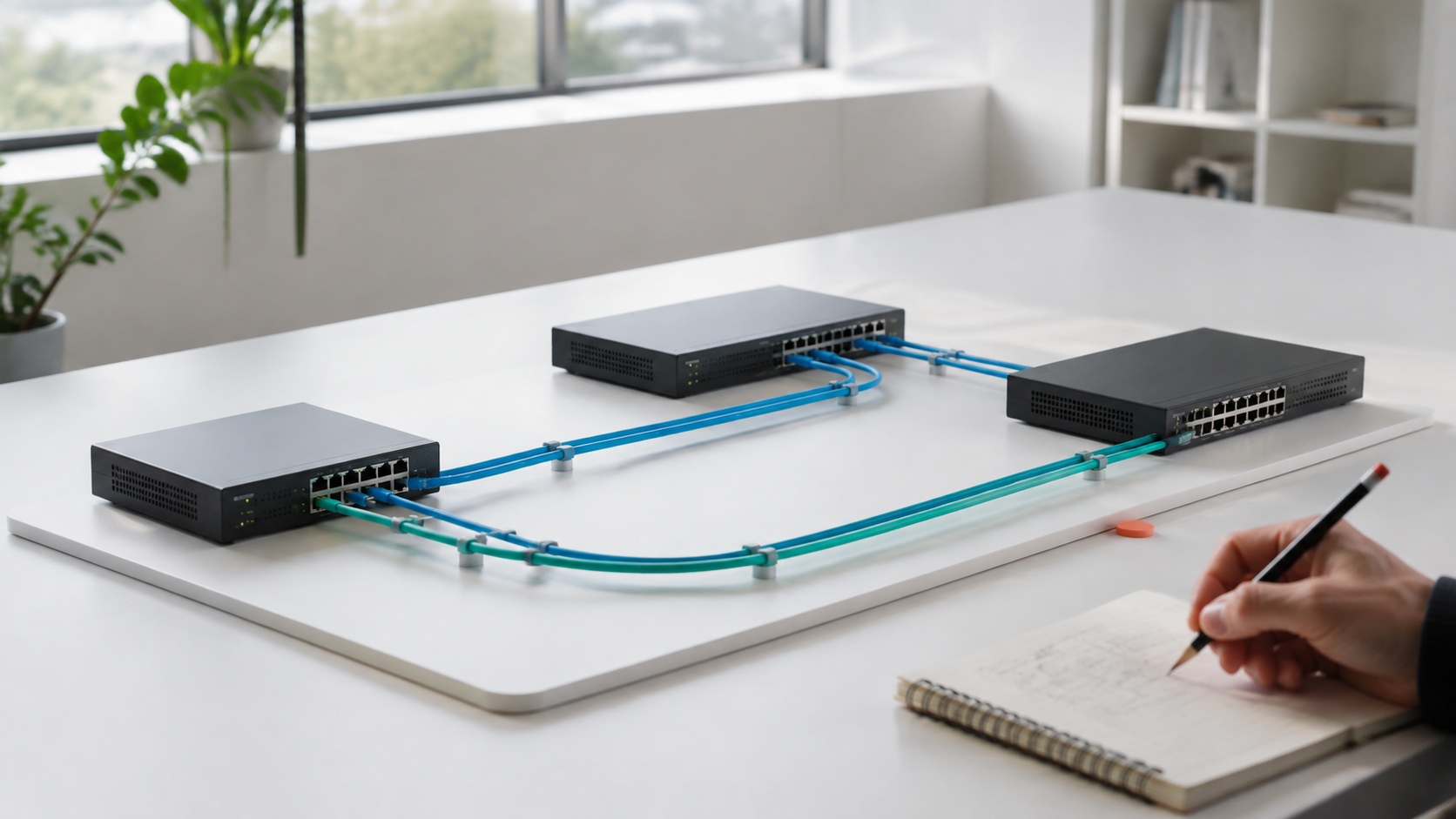
But the same destination can go through different routes – direct carrier routes, LCR, or partner networks. Each time, the system picks the option that gives better route quality or stability at that moment, and that makes the call routing smart.
So wholesale VoIP termination isn’t a fixed channel. It’s a continuous real-time routing of voice traffic. For your business, it gives control over call quality and costs without locking you into a single path.
How Does an International VoIP Call Travel from a SIP Trunk to the Destination Network?
International VoIP calls move from a SIP trunk into a country’s network through VoIP termination services, where the system selects a route for each call separately. A call can take different paths even to the same number, depending on available carrier lines, quality, and cost at the moment of connection.
Now let’s look at how this works in real operations, for example, in a call center. You run a campaign across several countries. Calls from customers go out in high volume: some to Europe, some to Asia. You don’t manage each call manually. You just send the traffic into the system.
Then the hidden part starts:
- One call goes through a direct carrier route because it is stable at that moment
- Another goes through an alternative carrier because the main one is overloaded
- A third goes through LCR (least cost routing) because it still keeps acceptable quality, but costs less
All of this happens without delay, right when the number is dialed. As you can see, there is no fixed route. Each call from the customer traffic, even for the same destination, can take a different path depending on carrier availability, load, and current quality.
So, around 600 calls go through a direct route, 250 through alternative carriers, and 150 through fallback routes. This is how the system makes routing decisions in real time.
What Does A–Z Voice Termination Mean?
A–Z voice termination is an international voice delivery system where each call from a VoIP or phone system is routed to any country via different telecom operators.
Why is this important for your business? Because different countries work in different ways. Some routes, like Germany, the United Kingdom, and the Netherlands, are more stable. In India, some African countries, and Southeast Asia, call quality depends on operator load and available routes. That is why global voice termination constantly adapts call delivery to real network conditions.
You get:
- Fewer failed calls
- More stable quality across different countries
- The ability to handle many destinations at the same time without manual routing control
No single fixed route exists. The system automatically selects the best available option and ensures stable call delivery even when network conditions change.
Upstream Carriers, Prefixes, and Destination Routing Logic
Within wholesale voice termination, a call does not simply “go to a country”. It passes through a route via different carrier networks. First, it is handled by upstream carriers – operators that physically transport traffic between countries. Then the system reads prefixes and determines the direction of the call (for example, +44 or +91), and selects the delivery path. Finally, the call reaches the local network.
This may seem like a complex mechanism, but it solves three things at the same time:
- Stability – the call gets through even when some operators are overloaded or unstablу
- Cost – the route can be selected in a way that avoids overpaying for expensive connections if alternative options are available
- Delivery – the call reaches the destination network even in complex routes where there is no single reliable path
This is the basis of carrier interconnection and what makes VoIP termination services actually work.
Direct vs Indirect Routes in Wholesale VoIP
Direct routes are a direct connection between the operator and the destination network. The main advantage is a minimal number of network hops, which results in more stable call quality and lower latency.
In contrast, indirect routes go through intermediate operators or aggregators. They provide more flexibility and lower cost, but call quality varies depending on network load and the specific route at the time of connection.
No need to choose between them as they work together. Traffic is distributed between both types depending on the destination, cost, and route availability at the moment of the call. This helps optimize wholesale VoIP rates without reducing the quality of key routes.
What Is the Difference Between Wholesale and Retail VoIP Termination?
Imagine a large company launching a call center and sending thousands of calls to different countries. It is not just “making calls” – it works with routing, operators, and delivery quality. In this case, calls go through international voice termination, where stability, volume, and traffic control are critical.
Now imagine another company that connects a VoIP service just to have a business number and make or receive calls through an app. It does not see routing or manage operators. It simply uses a ready-made service.
In the first case, where you control call delivery and infrastructure, this is wholesale. In the second case, this is retail.
Comparison: Wholesale vs Retail VoIP Termination
Criterion | Wholesale VoIP Termination | Retail VoIP Termination |
Level | Infrastructure | Ready-made service |
Control | Full control over routing and traffic | No control over routing |
Volume | High volume (mass calling) | Low to medium volume |
Main role | Voice traffic delivery | Using telephony services |
Flexibility | High | Limited |
Example | Carrier / CPaaS / VoIP wholesale | VoIP apps, business numbers |
Key Participants in the Wholesale VoIP Termination Ecosystem
When your service starts making international calls, you quickly see the problem: it’s not about dialing numbers, it’s about getting calls through without drops, delays, or billing surprises for your customers.
As call volumes grow and destinations change, VoIP operators, CPaaS providers, and routing platforms use Wholesale VoIP termination. Calls go out through SIP termination, the system picks the best route, and keeps both quality and costs in check until the call reaches the user.
If you’re scaling traffic or building your own voice platform, SIPeasy Telecom helps you cut call costs, keep call quality consistent across international destinations, and plug everything into your CRM or other tools via API.
FAQ
What is VoIP termination, and why does it matter for international calls?
It is the process of delivering a call from your system to a subscriber in another country through a provider’s termination platform. This platform manages call routing and makes sure the call goes through without drops, delays, or quality issues, which is especially important for international destinations.
What is the difference between wholesale and retail VoIP termination?
Wholesale is the infrastructure level for large call volumes, where you control routing, call quality, and costs. Retail is a ready-to-use calling service, where you simply use the phone service and do not manage call delivery.
Why can the same VoIP destination have different rates?
Because calls can go through different routes. One route is more stable and more expensive, while another is cheaper but has higher latency or variable quality.
How does wholesale VoIP termination help reduce costs without losing call quality?
The system chooses the route in real time. You don’t overpay where cheaper options are available, and your subscribers still get good call quality.